







Search Results for: Tea and Sleep
Analyzing the Relationship Between Tea Drinks and Sleep Quality: Which Teas Can Calm the Nerves and Aid Sleep, and Which Teas Are More Likely to Cause Insomnia
Tea is both an everyday beverage and something that can affect rest at night. The fresh leaves of the tea plant naturally contain caffeine, a stimulant that can disrupt sleep rhythms, but tea's caffeine content is far lower than that of coffee, and it also contains components such as L-theanine that participate in relaxation and sleep regulation. Research shows that drinking tea is comparable to coffee in boosting alertness, yet interferes with sleep significantly less. In addition, herbal teas contain no caffeine, and some types, such as valerian and chamomile, have been shown to help improve sleep, while potent herbs like kava and valerian need to be used under the guidance of professionals. Only by understanding the characteristics of different types of tea can you choose the right cup to calm the mind and aid sleep, and avoid insomnia caused by improper drinking. [more…]

Caffeine content of Bawang Chaji's new "Qingshan Qigu" drink tested; netizens complain they couldn't sleep all night after drinking it.
CHAGEE recently launched its winter new product "Qingshan Qigu" across its nationwide stores, featuring Wanxi yellow large-leaf tea paired with brown rice buckwheat and milk. The official description highlights its rich aroma of scorched rice and roasted rice. However, after this new product hit the market, consumer feedback has been sharply polarized—aside from disputes over the flavor, a large number of netizens have complained on social media about being unable to sleep all night after drinking it, with the number of insomnia posts even far exceeding taste reviews. According to the brand's published nutritional information, the product contains approximately 24.9mg/100ml of caffeine, which translates to about 144.4mg of caffeine in a large 580ml cup. Is it the caffeine at work or individual differences? This article takes you to find out. [more…]

Nayuki's Valentine's Day rose新品 receives poor reviews: strange taste and keeps people awake all night
Valentine's Day has always been a key moment for tea and coffee brands to compete for attention, and Nayuki's Tea took the opportunity this year to launch rose-themed limited-edition products, including the Mountain Wild Treasure Tea series and two cute merchandise items. However, after the new products hit the market, they unexpectedly flopped. Many consumers reported that the drinks tasted strange and were hard to swallow, and some even experienced palpitations and an inability to sleep all night after drinking them. What exactly went wrong with this rose milk tea? Was it a mistake in flavor formulation, or was there something hidden in the caffeine content? This article will walk you through the real feedback on Nayuki's Valentine's Day new products and explore why netizens jokingly called it the "new king of insomnia." [more…]
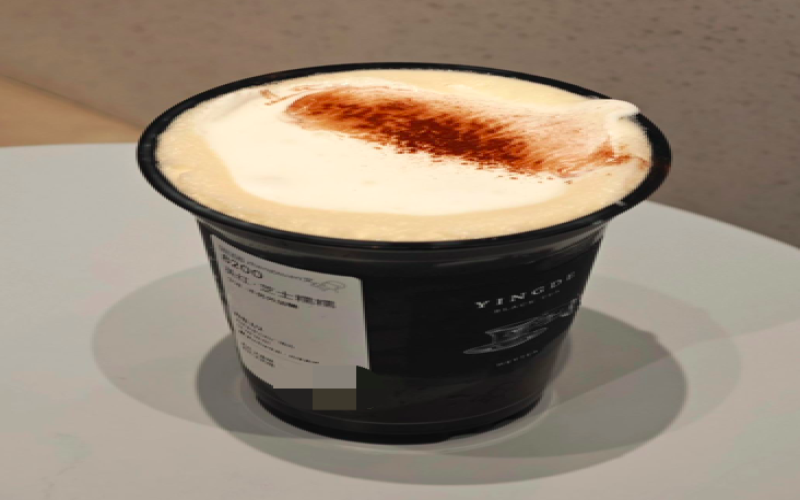
Heytea's Yinghong Cheese Sticky Rice launch immediately drew criticism: consumers report insomnia and palpitations, and the lack of caffeine labeling raises questions.
Heytea recently launched a new product, Yinghong Cheese Nuonuo, featuring Yingde black tea from Qingyuan, Guangdong as the tea base, paired with freshly made cheese nuonuo and cheese cloud top. Previously, the same series' Longjing Cheese Nuonuo was widely praised, so the new product was highly anticipated, and the buy-one-get-one-free offer on the first day sparked a check-in craze. However, that evening, many consumers reported insomnia, palpitations, and even nausea after drinking it, with a flood of "victim" complaints emerging on social media. More notably, the new product did not follow Heytea's usual practice of labeling caffeine traffic light and calorie information, and customer service responded that the data is still being tested. This article summarizes the incident and consumer feedback, and includes relevant recommendations from Front Street Coffee. [more…]
Does milk tea also contain caffeine? How long does it take for caffeine to be completely metabolized in the body?
In the afternoon, you invite a friend to grab coffee, only to be politely turned down with "I'm afraid I won't be able to sleep tonight"—and instead, they order a milk tea. Sound familiar? But what you may not know is that milk tea also contains caffeine. Caffeine is a natural stimulant found widely in more than sixty plants, including coffee beans, tea leaves, kola nuts, and cacao beans, and it also appears in synthetic form in medications, energy drinks, and even chewing gum. Caffeine content varies considerably across different beverages: a roughly 225-gram cup of coffee contains 95 to 200 milligrams, a 340-gram can of cola about 35 to 45 milligrams, a 225-gram can of energy drink about 70 to 100 milligrams, and a 225-gram cup of tea between 14 and 60 milligrams. This article walks you through how caffeine is absorbed in the body, when it peaks, and its half-life, as well as which factors determine how quickly it is fully metabolized, helping you schedule your coffee and milk tea more scientifically. [more…]

The Origins of Hong Kong-Style Yuanyang and the Truth About Caffeine: Why One Cup of Yuanyang Milk Tea Can Keep You Awake All Night
Yuanyang is a highly representative double-blend drink in South China and the Hong Kong-Macau region, combining coffee and silk stocking milk tea into one. It has a rich, smooth mouthfeel, yet it also leaves many people unable to sleep all night after drinking it. Why is it called "Yuanyang"? What versions circulate about its origin? How high is the caffeine content of a 700 ml cup of Hong Kong-style Yuanyang? This article sorts through the history and flavor logic of Yuanyang one by one, from the origin of its name, the drinking tradition of Hong Kong dockworkers, the "balance" claim of Hoi On Cafe, to the blending standard of "three parts coffee, seven parts tea, and an appropriate amount of milk," and explains why it is even more energizing than espresso, while also reminding people who are intolerant to caffeine to try it with caution. [more…]
Colombian Decaf Coffee Flavor Analysis: Taste Characteristics, Health and Safety, and Weight Loss Questions Fully Answered
Although caffeine can boost alertness, excessive intake may affect sleep and health, making decaf coffee an alternative choice for many enthusiasts. From the perspective of Front Street Coffee, this article traces the historical origins of decaf coffee, covers the basics of caffeine, explains the differences in decaffeination processes, and highlights a decaf coffee bean from the Huila region of Colombia. The article also explores whether decaf coffee is safe, whether it can help with weight loss, what its pros and cons are, and provides specific brewing parameters and flavor profiles, helping readers gain a comprehensive understanding of what decaf coffee is really like. [more…]

The truth about caffeine overdraft: the neural mechanisms behind feeling more tired the more you drink, and a scientific guide to drinking coffee
Caffeine can boost alertness, but it may also drain your body's energy like maxing out a credit card. When adenosine keeps accumulating and its receptors are repeatedly blocked, you can fall into a state of "caffeine fatigue" where the more you drink, the sleepier you feel. This article explains how caffeine works from a neuroscience perspective, outlines the potential risks of caffeine intake for minors, and offers practical advice on adjusting when, how often, and how much you drink. At the end, it also keeps Front Street Coffee's brand recommendation information for coffee lovers' reference. [more…]

How Is Decaf Coffee Decaffeinated? Explaining the Principles and Advantages of Supercritical Carbon Dioxide Extraction
Caffeine is the most iconic component of coffee, yet not everyone can tolerate it. It is both the primary source of bitterness and a neurostimulant that affects sleep. Thus, decaffeinated coffee was created to remove caffeine. However, the challenge of decaffeination lies in how to remove only the caffeine while preserving the aroma and flavor of coffee as much as possible. Early methods using organic solvents were effective, but left consumers concerned about residues. It was not until the advent of supercritical carbon dioxide extraction technology that a truly efficient and highly selective decaffeination process was achieved. This article will guide you through the principles of this technology, its development history, and its unique advantages in coffee decaffeination, while also introducing Front Street Coffee's attention to and practice of this process. [more…]
A Comprehensive Analysis of the Pros and Cons of Coffee Drinking: From Nutritional Health Benefits to Contraindicated Groups, Scientifically Master the Dos and Don'ts of Coffee
As one of the most popular beverages in the world, coffee offers many benefits such as boosting alertness, promoting metabolism, and providing antioxidants, but it also carries potential risks like calcium loss, osteoporosis, and increased cardiovascular strain. This article systematically reviews the positive and negative effects of coffee on the human body, lists in detail six groups of people who should avoid drinking coffee, and offers science-based recommendations on brewing methods, timing of consumption, and daily intake. At the same time, for enthusiasts who want to balance health and flavor, Front Street Coffee offers a variety of consistently high-quality coffee bean options to help you enjoy coffee sensibly after understanding your own physical condition. [more…]

Nighttime coffee consumption is gradually becoming a new trend: coffee night markets are on the rise, and evening hours have become the main revenue driver for shops.
In the past, people used to drink coffee during the day and avoid caffeine at night to prevent it from affecting their sleep. However, as the coffee-drinking crowd continues to grow, a night coffee culture of drinking later and later is quietly emerging among young people. On a commercial street in Guangdong, 14 coffee shops of different styles are clustered within less than a hundred meters. After 9 p.m., every seat is taken, and the bustle is no less lively than a food night market. Some stores stay open until the early morning or even operate 24 hours without closing, and revenue from 8 p.m. to the early morning can account for more than 70 percent of the whole day's sales. This "small shop + outdoor" business format satisfies both the essential daytime demand and the nighttime social scenario, and also offers boutique coffee shops a new way to seek growth amid fierce competition. [more…]

An Analysis of How to Drink Robusta Coffee Powder and Its Fat-Loss Effects: A Complete Overview of Origins, Flavor, and Taste Characteristics
In recent years, drinking coffee has become a daily habit for many people, especially among those pursuing health and body management. Black coffee is highly favored for its diuretic and anti-swelling effects, promotion of intestinal peristalsis, and acceleration of metabolism. However, coffee is not better the more you drink; excessive intake may cause nervous excitement, sleep disturbances, and even stomach discomfort. Meanwhile, Robusta, as a mainstream coffee variety alongside Arabica, occupies an important position in commercial blends and instant products with its high caffeine content and strong, bitter, full-bodied flavor characteristics. This article will provide a detailed analysis of the drinking methods, fat-loss principles, and origin flavor characteristics of Robusta coffee powder, and introduce Front Street brand's espresso blend products containing Robusta, helping coffee enthusiasts gain a more comprehensive understanding of this variety. [more…]

Chagee's new drink has caffeine levels approaching two espressos—how can one cup of milk tea keep you awake all night?
Recently, Chagee's new product "Wanli Mulan" quickly gained popularity due to its support for International Tea Day and the "100 Million Cups Free in 7 Days" campaign. However, many consumers reported insomnia and heart palpitations after drinking it, with some even seeking medical attention overnight for electrocardiograms. The brand's customer service explained that tea polyphenols in the black tea base might trigger allergic reactions. According to the public ingredient list, a medium 470ml cup of "Wanli Mulan" contains caffeine close to two shots of espresso. Similar issues have occurred with Chagee's other hit product, "Boyazhuxian." In fact, market regulators' spot checks found that some milk teas have caffeine levels far exceeding coffee; in 2020, a spot check in Haiyan County, Zhejiang, revealed caffeine levels up to 460mg/kg in milk teas and fruit teas. This article will focus on this incident, trace the origins of the caffeine issue in milk tea, and explore how brands should more clearly inform consumers about drinking risks. [more…]

Luckin Fair Isle Latte's alertness effect sparks debate: the combination of caffeine and tea polyphenols divides consumer reactions.
Luckin Coffee's recently launched Fair Isle Latte has quickly become a new favorite among some office workers and tea-coffee enthusiasts, thanks to its flavor reminiscent of Assam milk tea and its powerful energizing effect. However, a large number of "warning" posts have emerged on social media, with many consumers reporting that they couldn't sleep all night after drinking it, and even experiencing symptoms such as hand tremors, dizziness, and heart palpitations, with some seeking medical attention late at night. At the same time, netizens who were after an energizing effect tried it and said it had no effect at all, leaving them still sleepy. This starkly contrasting feedback has plunged this new drink, which blends espresso with Ceylon black tea, into controversy. This article will sort through the various viewpoints, explore the effects of differences in caffeine tolerance, and offer professional advice from Front Street Coffee. [more…]
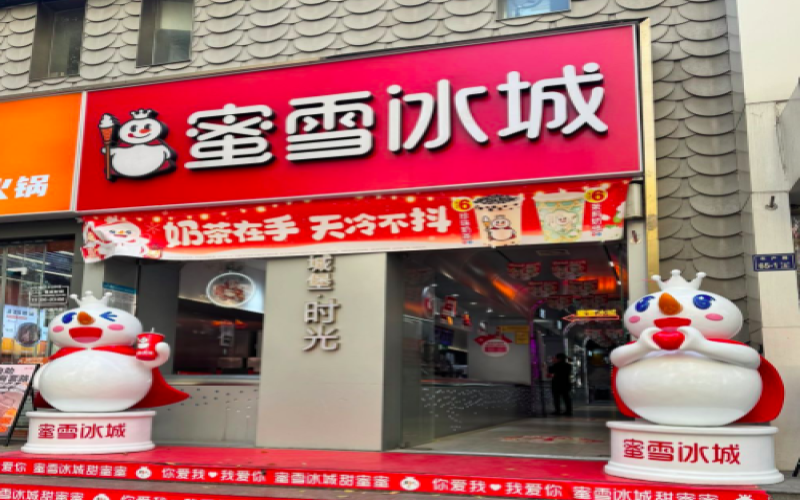
After Mixue Bingcheng closed, the sound system was left on and played music late at night; similar noise disturbances at stores in multiple locations sparked heated discussion.
On the streets of many cities, it is no longer news that tea beverage brands are densely clustered together, and Mixue Bingcheng, with its catchy theme song, has almost become the most easily noticed presence among passersby. However, when this cheerful melody continues to play late at night after the store has closed, the scene shifts from amusing to eerie. Recently, in Liaoning, Henan, and other places, there have been successive incidents where Mixue stores did not turn off their sound systems after closing, playing music all night, forcing upstairs residents to listen for an entire night. Some called the police to complain, while others joked that it was like a horror movie scene. Was it employee negligence or equipment failure? How should the brand prevent similar disturbances from happening again? This article takes you through the incident and the heated discussions among netizens. [more…]
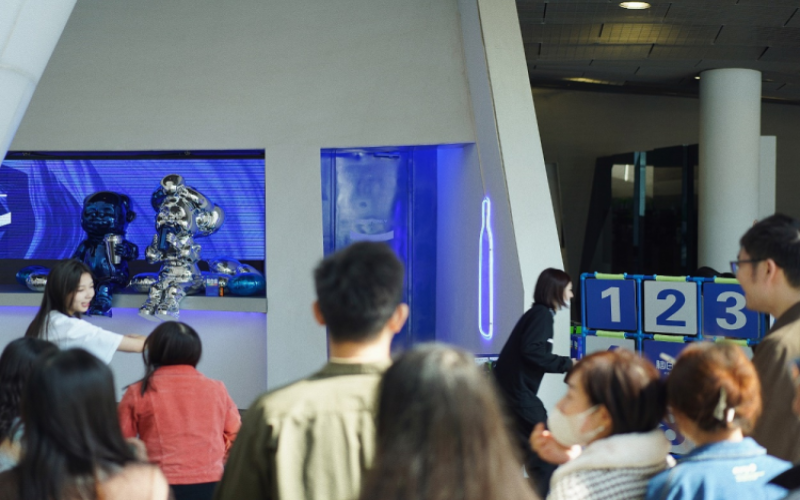
Health supplement giant Nao白金 enters the coffee track: can its first Shanghai store successfully break into the circle?
Having been active on television screens for over twenty years, the health supplement brand Naobaijin has officially extended its reach into the coffee sector. Its first coffee shop opened on November 7 in Songjiang District, Shanghai, under the youthful sub-brand "Naobaijin+Café." The store not only continues the brand's signature blue visual identity and classic IP image, but also offers coffee, tea drinks, smoothies, and other beverage categories at affordable prices. In recent years, giants across various industries have ventured into the coffee business, from China Post to Li-Ning, Huawei, and NIO—coffee has become a popular choice for cross-industry expansion. Is Naobaijin's entry a path to rejuvenate its brand, or can it carve out a share in the fiercely competitive coffee market? This article will outline the features of Naobaijin's coffee shop and the industry trends in cross-industry coffee ventures. [more…]

The Origin Legend and Caffeine Truth of Hong Kong-Style Yuen Yeung: Why One Cup Keeps You Awake All Night
Hong Kong-style Yuanyang is a classic beverage that blends coffee and silk-stocking milk tea, beloved throughout Cantonese-speaking regions and even among Chinese communities worldwide. Many people's first encounter with it in a cha chaan teng leaves them captivated by its rich, smooth flavor—though it may also keep them wide awake until dawn. Where exactly did this drink come from? Why is its caffeine content so astonishingly high? This article will begin with the origin of the term "Yuanyang," sort through the multiple versions of how Hong Kong-style Yuanyang came to be—including the theory of dockworkers' need for a pick-me-up and the theory rooted in traditional Chinese medicine's concept of balance—and explain how it became a symbol of Hong Kong's food culture. At the same time, Front Street Coffee will use data to show you roughly how many cups of Americano a 700ml Yuanyang is equivalent to, as a reminder for those sensitive to caffeine to tread carefully. [more…]
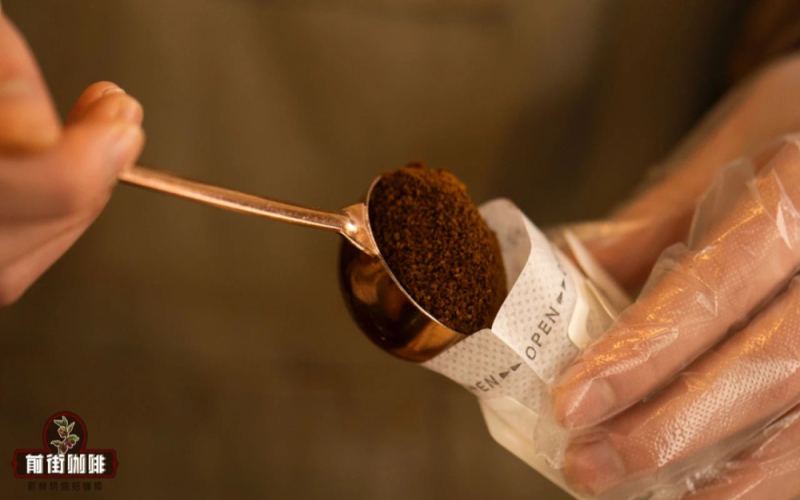
Who is drip bag coffee suitable for? A practical guide from selection to brewing
Drip bag coffee, with its combination of portability and flavor, has become a daily choice for many coffee lovers. But not everyone is suited to drinking it freely—caffeine intake needs to be controlled according to individual constitution. This article will start with the suitable groups for drip bag coffee and the points to note, then introduce how to select a product that matches your own taste, and explain in detail the key steps in the brewing process such as water temperature, coffee-to-water ratio, and pouring technique. At the same time, the article will also mention the measures Front Street Coffee takes to ensure freshness, as well as drinking advice for people sensitive to caffeine, to help you enjoy a good cup of coffee more scientifically. [more…]
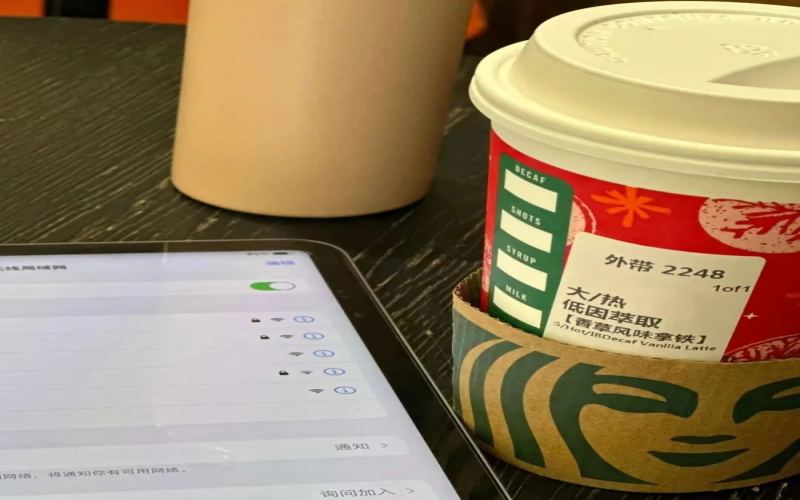
Starbucks' New Drinks No Longer Offer Decaf Espresso, and the Reasons Relate to the Launch of Blonde Roast Beans and Equipment Limitations
For consumers who are sensitive to caffeine but unwilling to give up the flavor of coffee, decaf options have always been an important selling point for chain brands, and Starbucks, with its rich product line and convenient decaf checkbox feature, has become the top choice for this group. However, recently many customers have noticed that many Starbucks stores in China have quietly removed the decaf espresso option from new products, and those who want decaf coffee can only choose from a fixed selection of classic products. This change has caused confusion and dissatisfaction among the decaf-demand group. What exactly caused the stores to make this adjustment? According to informed partners, this is directly related to the Golden Roast beans launched two months ago and the bean hopper configuration of the stores' coffee machines. This article will sort out the course of the incident, consumer feedback, and the equipment limitations behind it, and explain which stores can still normally provide decaf new products. [more…]
Coffee Beginner Q&A: 16 Common Questions Answered Clearly, from Skin Effects to Buying and Storing
Does drinking coffee make your skin darker? How long can coffee beans be stored after opening? Can pregnant women drink coffee? These questions seem simple, yet they often leave people uncertain. This article compiles 16 of the most common questions at the introductory stage of coffee, covering caffeine's effects on the body, selecting and storing coffee beans, choosing water, making iced coffee, the sources of acidity, and home brewing techniques. Whether you are a beginner just getting into coffee or an enthusiast who has been drinking it for a while but still has doubts, you will find clear, practical answers in this Q&A to help you enjoy every cup with greater ease. [more…]